When Americans think of the Revolutionary War, they often picture Lexington and Concord, Valley Forge, or Washington crossing the Delaware, (all stories I have covered earlier in this series). Yet the road to independence did not end in New England. It ended hundreds of miles to the south at Yorktown, Virginia.
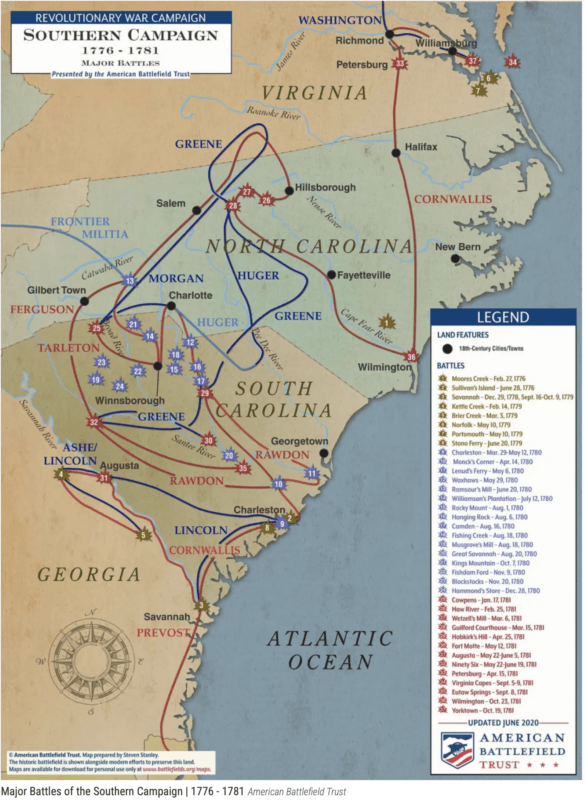
The final victory at Yorktown in October 1781 was not the result of a single battle. Instead, it was the culmination of a long and grueling Southern Campaign that slowly wore down British forces and changed the course of the war.
By 1778, Britain had shifted its focus to the southern colonies. British leaders believed they would find large numbers of Loyalists willing to support the Crown in Georgia and the Carolinas. Capturing the South, they hoped, would isolate the rebellious northern colonies and restore royal control.
Initially, the strategy seemed successful.
The British captured Savannah in 1778 and Charleston in 1780. Charleston’s surrender was one of the worst American defeats of the war. Thousands of Patriot soldiers were taken prisoner, and British General Charles Cornwallis appeared poised to restore British authority throughout the South. Then the tide began to turn.
Kings Mountain: The First Blow
In October 1780, Patriot militia from the frontier settlements gathered at what is now known as the Overmountain Victory National Historic Trail. These rugged backcountry fighters crossed the Appalachian Mountains and pursued Loyalist forces under Major Patrick Ferguson.
At Kings Mountain, on the border of North and South Carolina, the Patriots surrounded Ferguson’s force and won a decisive victory. Ferguson was killed, and more than 1,000 Loyalists were captured, killed, or wounded.
Thomas Jefferson later called Kings Mountain “the turn of the tide of success.” The victory shattered British hopes of raising large numbers of Loyalist supporters in the Carolina backcountry.
Cowpens: A Tactical Masterpiece
Three months later, another Patriot victory further weakened British control.
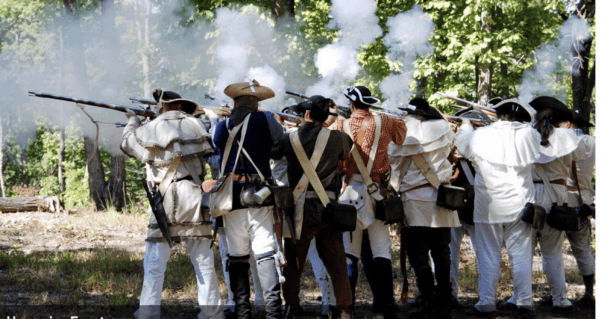
At Cowpens, South Carolina, General Daniel Morgan devised one of the most brilliant battle plans of the Revolution. He arranged his militia and Continental troops in successive lines, carefully anticipating how the British would attack.
The plan worked perfectly. British commander Banastre Tarleton’s forces were routed. More than 800 British soldiers were killed, wounded, or captured.
Cowpens not only damaged British military strength but also boosted Patriot morale throughout the South.
The Race to the Dan
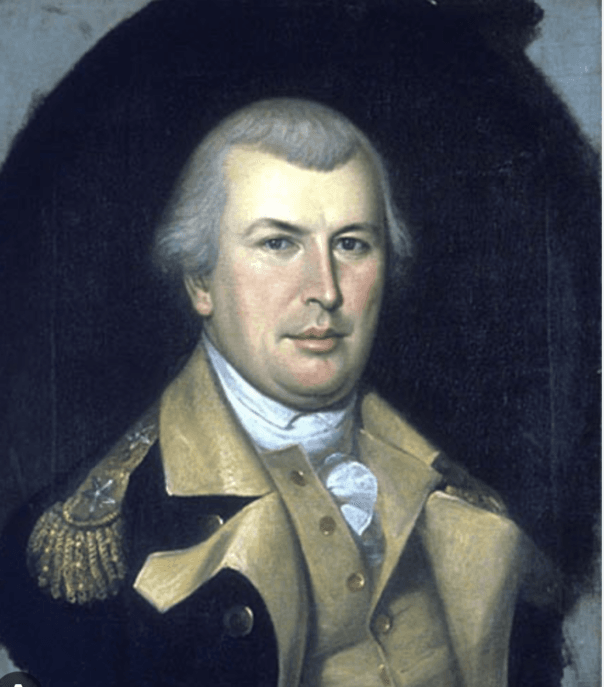
After Cowpens, General Nathanael Greene faced a difficult challenge. His army was smaller and less experienced than Cornwallis’s veteran troops. Rather than risk destruction in a major battle, Greene chose a strategy of movement and endurance.
For weeks, Patriot forces retreated across North Carolina while Cornwallis pursued them. The campaign became known as the Race to the Dan.
Greene successfully crossed Virginia’s Dan River and escaped. Cornwallis had failed to destroy the American army. Greene then turned and marched south again.
Guilford Courthouse: A Costly Victory
In March 1781, Greene confronted Cornwallis at Guilford Courthouse in present-day Greensboro, North Carolina. The British won the battle and held the field at day’s end. On paper, it appeared to be a British victory.
But the cost was enormous.More than a quarter of Cornwallis’s army became casualties. The British could not easily replace experienced soldiers operating far from their bases.
Greene’s army remained intact. The battle demonstrated a critical truth: Cornwallis could win battles and still lose the campaign.
The Long Fight for the South
Greene continued to pressure British forces throughout the Carolinas.
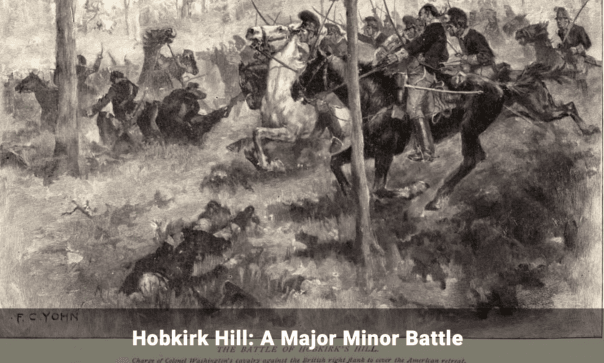
At Hobkirk’s Hill, Ninety Six, and Eutaw Springs, Patriot troops repeatedly challenged British positions. Although Greene did not win every engagement, he forced the British to expend men, supplies, and energy simply to hold territory.
British forces gradually abandoned much of the interior South and retreated toward coastal strongholds.
The Southern Campaign became a war of attrition.Greene later summarized his strategy:
“We fight, get beat, rise, and fight again.”
His persistence slowly achieved what dramatic victories alone could not.
Cornwallis Moves North
Unable to secure the Carolinas, Cornwallis shifted his attention to Virginia.
The decision marked a turning point in the war. British forces had captured major southern cities and won several battles, yet they had failed to crush the Patriot cause. Nathanael Greene’s relentless campaign had steadily weakened British control of the countryside and forced Cornwallis to seek a new strategy.
By the summer of 1781, the war’s center of gravity was moving north.
Cornwallis marched into Virginia, believing he could establish a secure base and continue British operations. Instead, he was heading toward a place that would become synonymous with the end of the Revolutionary War.
The Southern Campaign had accomplished its purpose. Through persistence, sacrifice, and a series of hard-fought victories, Patriot forces had worn down one of Britain’s finest armies and pushed the war toward its final chapter.
The road to Yorktown had begun.
Next in the America 250 series: Yorktown – The Victory That Won Independence.

Hikers may enjoy the Overmountain Victory Trail: Stretching 330-miles through four states (Virginia, Tennessee, North and South Carolina) the Overmountain Victory National Historic Trail traces the route used by Patriot militia during the pivotal Kings Mountain campaign of 1780. Follow their campaign by utilizing a Commemorative Motor Route along existing state highways marked with the distinctive trail logo, or 80+ miles of walkable trail.