Before “no taxation without representation” became a rallying cry, tea and coffee were already simmering at the heart of colonial life. In 18th-century America, what people drank wasn’t just about taste — it reflected class, culture, and eventually, politics.
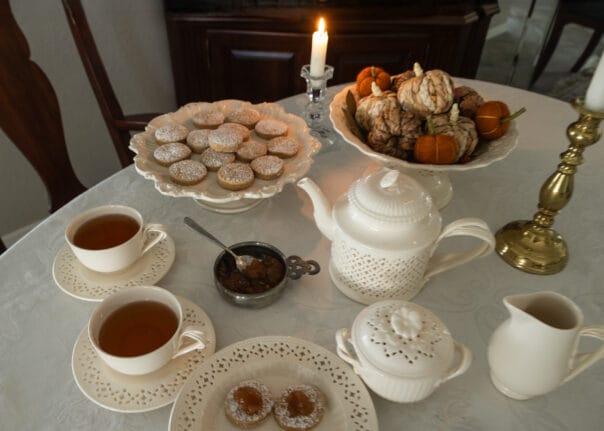
In the early 1700s, tea was the drink of refinemen, imported from China and served in delicate porcelain cups. It arrived through the ports of Boston, New York, Philadelphia, and Charleston, carried in crates stamped with the mark of the British East India Company. Wealthier colonists displayed tea tables, silver strainers, and ornate teapots as symbols of gentility.
Coffee, meanwhile, arrived from the Caribbean and South America. It was often roasted at home, its earthy aroma filling kitchens from Virginia to New England. While tea was tied to polite society, coffee was practical — easier to store and less fragile. Both drinks required imported sugar, often produced by enslaved labor on West Indian plantations — an early reminder of how global trade intertwined with colonial life.
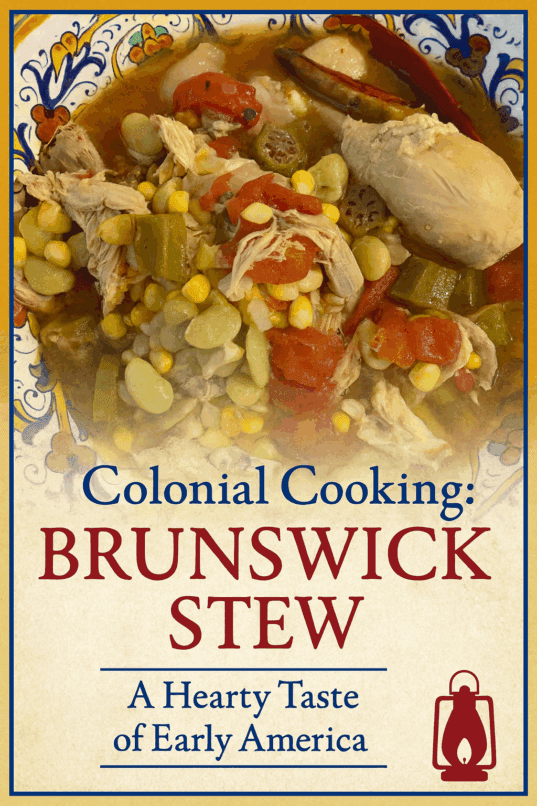
As part of my Bylandersea America 250 series, I continue exploring the foodways of early America—where necessity, creativity, and regional ingredients blended to create enduring recipes. One of my personal favorites is Brunswick Stew, a hearty and storied dish so beloved that both Virginia and Georgia still claim it as their own.
A Tale of Two Brunswicks
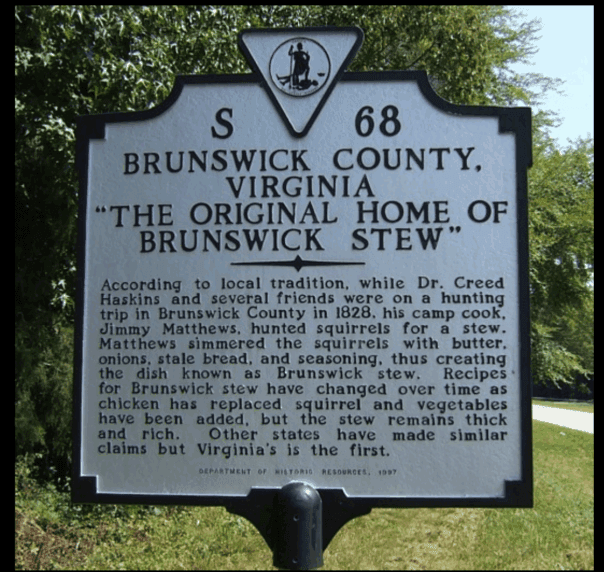
The exact birthplace of Brunswick Stew remains a matter of friendly debate. Virginia insists it originated in Brunswick County in 1828, when a hunting party cook simmered a pot of squirrel with onions and stale bread. Georgia counters that the dish began earlier in Brunswick, Georgia, where locals used a mix of game and garden vegetables in a long, slow cook.
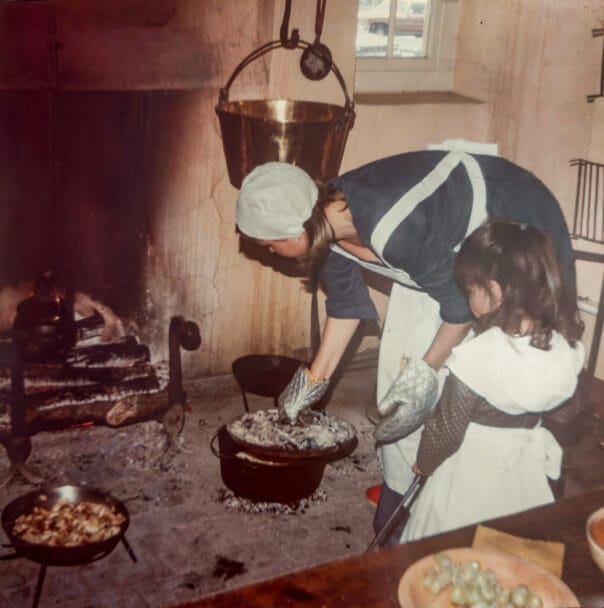
Whichever claim you favor, the essence of Brunswick Stew lies in its colonial practicality — turning what was available (wild game, corn, beans, and tomatoes) into a sustaining meal for farmers, travelers, and soldiers. Colonial cooks made it in great iron pots over open fires, stirring constantly with wooden paddles to prevent scorching.
A Colonial Crowd-Pleaser
By the 18th century, stews like this became mainstays of plantation kitchens and taverns. Recipes evolved as ingredients became more accessible: chicken and rabbit often replaced squirrel, and the dish thickened with corn or lima beans.
Brunswick Stew wasn’t just a recipe — it was an event. Communities gathered for “stew days,” where massive cauldrons bubbled over the fire from dawn until dusk. The smell of smoky meat and vegetables filled the air as neighbors traded stories and tasted the pot until it reached the perfect consistency — so thick a spoon could stand upright.
A Taste of the 18th Century
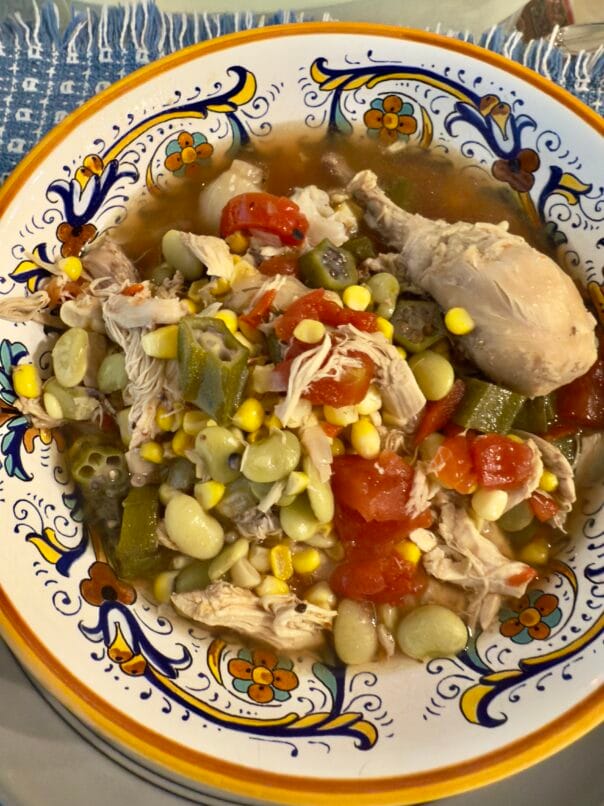
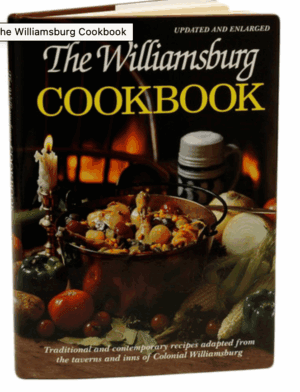
The Williamsburg Cookbook preserves a traditional version of this beloved stew, adapted from colonial-era notes. It substitutes chicken for game, typically squirrel, and balances the sweetness of corn and tomatoes with the savor of smoked meat. It’s a recipe that honors the past while satisfying modern palates — and one that still feels right served outdoors on a cool fall evening.
1 Stewing Hen (6 pounds) or 2 broiler-fryers (3 pounds each), I used 1 broiler fryer and 6 chicken (lower or drumstick) legs
2 large onions, sliced, I used 8 small pearl onions, plus 1 onion sliced
2 cups okra, cut (optional but really helps thicken the broth)
4 cups fresh or 2 cans (1 pound each) tomatoes
2 cups baby lima beans (I used frozen)
3 medium potatoes, diced
4 cups corn cut from cob or 2 cans corn (1 pound each)
3 teaspoons salt
1 teaspoon pepper
1 Tablespoon sugar
Directions
Cut the chicken into pieces and simmer it in 2 quarts of water or chicken broth until meat slips off the bones, about 2 ½ hours on low. Remove meat and set aside.
Add the raw vegetables to the pot and simmer, uncovered, until the beans and potatoes are tender. Stir occasionally.
Added the chicken and seasonings.
Tips: Flavors improve if you let this stand overnight in the refrigerator and reheat it the next day.
Use a heavy Dutch oven or cast-iron pot to recreate the slow, even cooking of the colonial hearth.
The stew should be thick, not soupy — simmer uncovered toward the end to reduce the broth. The okra helps to thicken the broth.
For authenticity, include a touch of smoked ham or bacon for depth.
Serve with cornbread or hot biscuits, just as colonial taverns would have done.
Savoring the Story
When you ladle out a bowl of Brunswick Stew, you’re tasting a piece of early American ingenuity. The recipe’s roots reach back to a time when cooks blended survival with flavor — transforming what they had into something to be shared.
Just as I imagine colonists did centuries ago, I like to enjoy my stew on a cool evening. That doesn’t happen often in Florida where I now live, but I still love this meal.
🕯️ Do You Know?
Both Virginia and Georgia have erected historical markers proclaiming themselves as the birthplace of Brunswick Stew — and both proudly host annual stew festivals to prove it.
As part of my BylanderseaAmerica250 blog series, I plan to share historic recipes from time to time. Many years ago, I volunteered as an open-hearth cooking docent for the Camden County, NJ Historical Society. That experience sparked my love of colonial-period recipes—some of which I still prepare today.
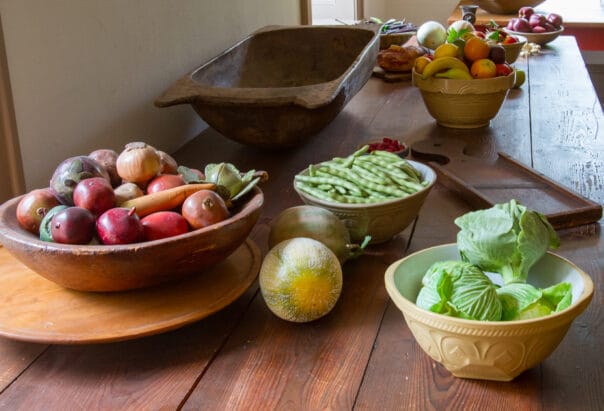
Food in colonial America wasn’t simply about taste; it was about survival. Early settlers arrived to an unfamiliar climate and landscape, often with limited supplies. They had to learn quickly what would grow, what game could be hunted, and how to preserve food through long winters.
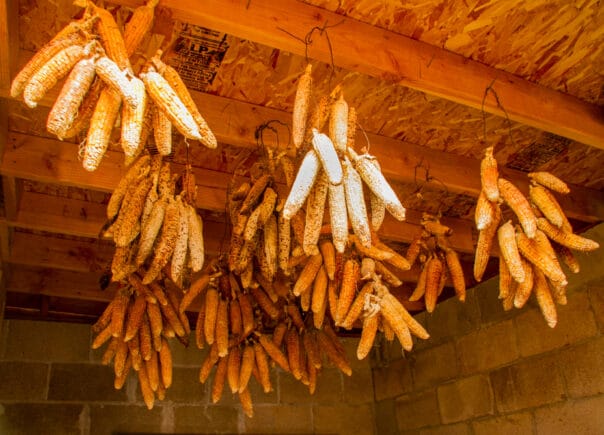
Native Americans played a vital role in shaping colonial diets. They introduced the newcomers to a variety of foods that became staples in the colonies. Chief among these was corn, or maize, a crop unknown in Europe but already the backbone of many Indigenous diets. Native peoples taught colonists how to plant corn in mounds with beans and squash—the “Three Sisters” method—which replenished soil nutrients and produced a balanced harvest. They also showed the colonists how to grind dried corn into meal for breads, mush, and porridge. Recipes evolved into staples such as johnnycakes and hoe cakes.
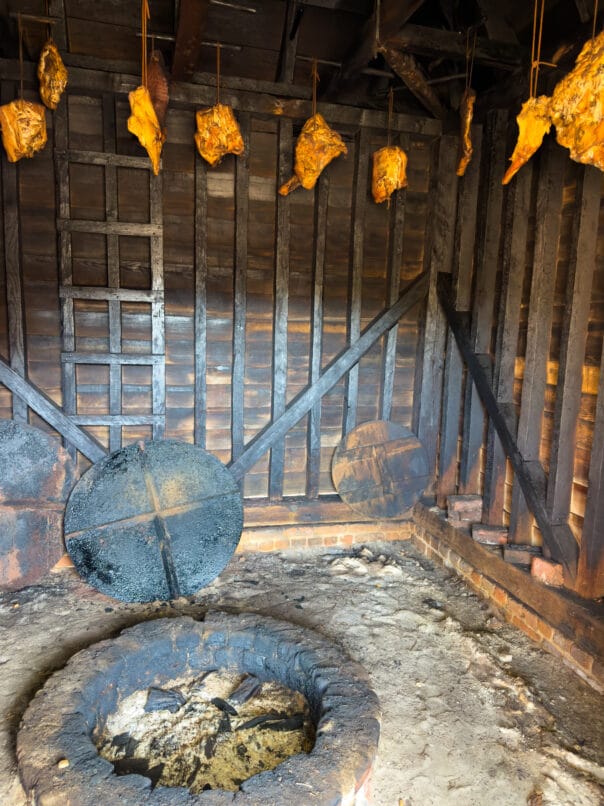
Beyond corn, Indigenous communities shared knowledge about beans, pumpkins, wild rice, cranberries, and local herbs. They passed on methods of smoking and drying meat and fish, enabling colonists to preserve protein through the lean months. Without these lessons, many early settlers might not have survived.
Settlers adapted English recipes to the ingredients at hand. Stews, chowders, and corn-based breads became daily fare. A typical colonial meal might feature a pot of vegetables and salt pork, corn mush with milk, or roasted game accompanied by whatever seasonal produce was available.
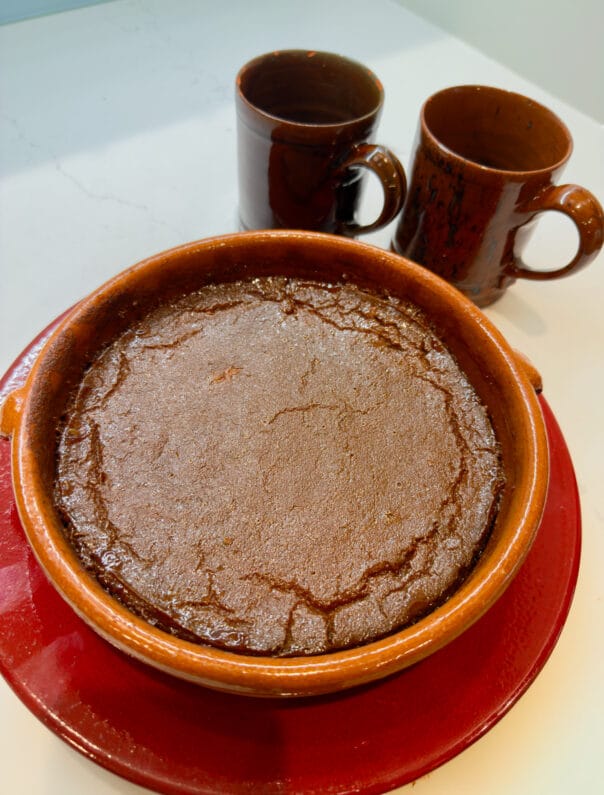
In this post, I’m sharing a classic: Indian Pudding. Its name reflects the influence of Indigenous people who introduced corn to the early settlers and taught them to eat it in countless forms—roasted, boiled in soups and stews, mashed, dried, ground into cornmeal, or baked. Indian Pudding uses cornmeal and molasses, making it both hearty and lightly sweet. The custard like concoction can be served as a side dish or dessert, and it makes a wonderful addition to a Thanksgiving table as a conversation starter about our shared food heritage.
Today, preparation is easy: you simply bake it in the oven. But in colonial times, the pudding might be cooked in a Dutch oven or a heavy pot nestled into hot coals by the hearth.
Recipe for Indian Pudding
3 cups milk
½ cup molasses
1/3 cup cornmeal
½ teaspoon ground ginger
½ teaspoon ground cinnamon
¼ teaspoon salt
1 tablespoon butter
In a saucepan, mix the milk and molasses; stir in the cornmeal and spices. Cook and stir until thickened, about 10 minutes. Pour into a 1-quart casserole. Bake uncovered at 300°F for about one hour (or longer if the middle seems uncooked). Serves 6–8, hot or cold.
Colonial cooking tells a story not only of hardship but of cultural exchange and adaptation. The blending of Indigenous and European foodways laid the foundation for American cuisine as we know it. When you bite into cornbread, enjoy a Thanksgiving pumpkin pie, or spoon up a chowder, you’re tasting history that began in those earliest kitchens.