In the summer of 1781, the Revolutionary War had dragged on for more than six years.
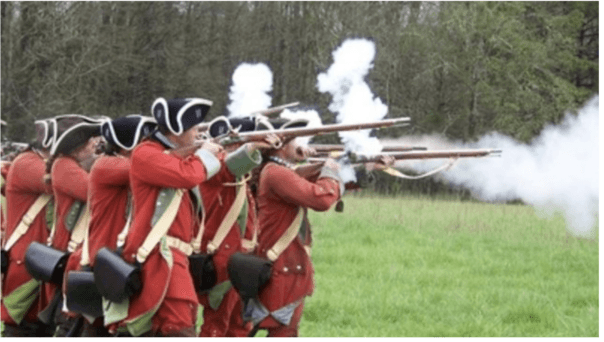
The British still held New York City. Their army remained one of the most powerful fighting forces in the world. Yet events set in motion during the Southern Campaign were about to converge on a small Virginia tobacco port called Yorktown.
As discussed in my previous article, British General Charles Cornwallis entered Virginia after a frustrating campaign in the Carolinas. Although he had won several tactical victories, British defeats at Kings Mountain and Cowpens, combined with General Nathanael Greene’s relentless strategy of attrition, steadily weakened Britain’s hold on the South.
Cornwallis hoped Virginia would provide a secure base for future operations. Instead, Yorktown became a trap.
A French Fleet Changes Everything
One of the greatest “what if” moments in American history occurred at sea.
In August 1781, a French fleet commanded by Admiral François Joseph Paul de Grasse sailed into the Chesapeake Bay. His arrival transformed the strategic situation.
The British navy, long considered invincible, attempted to regain control of the bay. The resulting Battle of the Chesapeake proved decisive. The French prevented British ships from reaching Yorktown and cut off Cornwallis’s most reliable escape route.
For the first time during the war, British forces found themselves vulnerable and isolated.
Washington Sees His Opportunity
General George Washington had spent years watching British forces occupy New York City. Although he had hoped to recapture the location, circumstances rarely favored such an attack.
When news arrived that de Grasse would support operations in Virginia, Washington quickly changed plans.
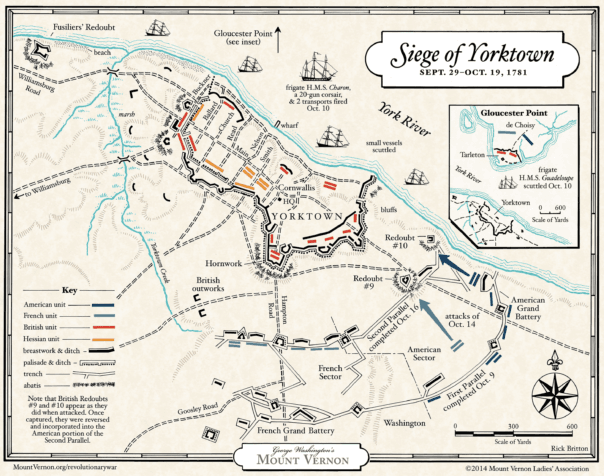
Together with French General Jean-Baptiste Donatien de Vimeur, Comte de Rochambeau, Washington secretly moved thousands of American and French troops south. The march covered more than 400 miles and remains one of the most impressive military maneuvers of the war.
The British commander in New York did not fully realize Washington’s intentions until it was too late.
By late September, allied forces were converging on Yorktown.
The Siege Begins
Unlike many famous Revolutionary War battles, Yorktown was NOT decided in a single dramatic afternoon.
Instead, it became a carefully executed siege.
American and French troops surrounded the town while the French fleet blocked escape by sea. Cornwallis’s army found itself trapped between land and water.
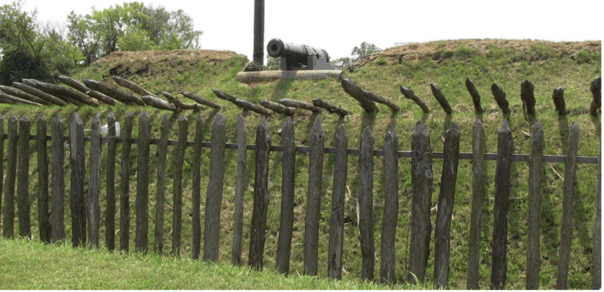
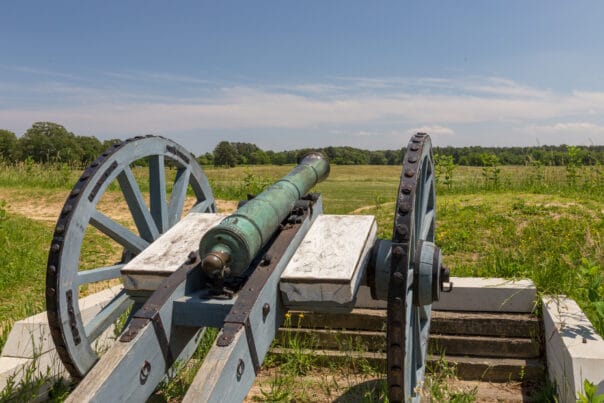
Engineers dug trenches closer and closer to British defenses. Artillery batteries bombarded the town day and night. The thunder of cannon fire echoed across the Virginia countryside.
As the siege tightened, British options dwindled.
Two key British defensive positions, Redoubts 9 and 10, became critical obstacles. In one of the most celebrated actions of the war, American troops led by Alexander Hamilton stormed Redoubt 10 with fixed bayonets during a nighttime assault. French forces simultaneously captured Redoubt 9.
The fall of the redoubts brought allied artillery within range of the British interior defenses and accelerated the collapse of Cornwallis’s position.
The Surrender
On October 19, 1781, Cornwallis surrendered.
Nearly 8,000 British soldiers laid down their arms.
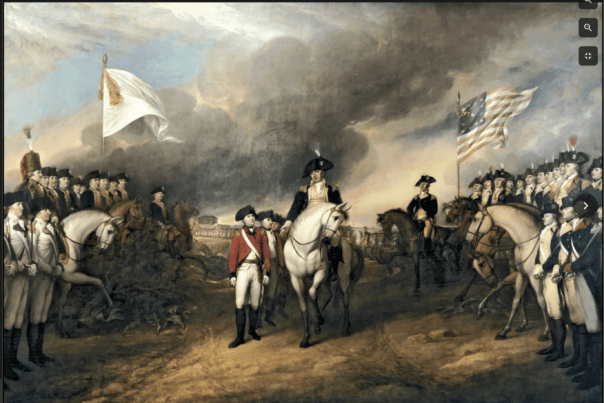
The Surrender of Lord Cornwallis (at Yorktown, Virginia, on October 19, 1781), oil on canvas by John Trumbull, completed in 1820; in the U.S. Capitol Rotunda, Washington, D.C. The painting captures the moment when major fighting during the American Revolution ended and the colonies achieved independence.
Legend holds that Cornwallis claimed illness and sent a subordinate to represent him at the surrender ceremony. Whether motivated by pride or genuine sickness, the gesture reflected the magnitude of Britain’s defeat.
The war did not officially end until the Treaty of Paris was signed in 1783, but Yorktown effectively ended major combat operations in North America.
Parliament soon recognized that continuing the war would be costly and increasingly unpopular. The American Revolution had been won.
Why Yorktown Matters
As America commemorates its 250th anniversary, Yorktown offers more than a history lesson. It is a place to reflect on the perseverance, sacrifice, and international cooperation that made independence possible. The victory achieved here on October 19, 1781, did not end the Revolutionary War overnight, but it marked the decisive turning point that led to the birth of the United States.
After following the Road to Revolution from Lexington and Concord through the battles of New England, the Middle Colonies, and the Carolinas, there is no more fitting place to conclude the journey than Yorktown—where the dream of independence became a reality.
Yorktown Travel Guide
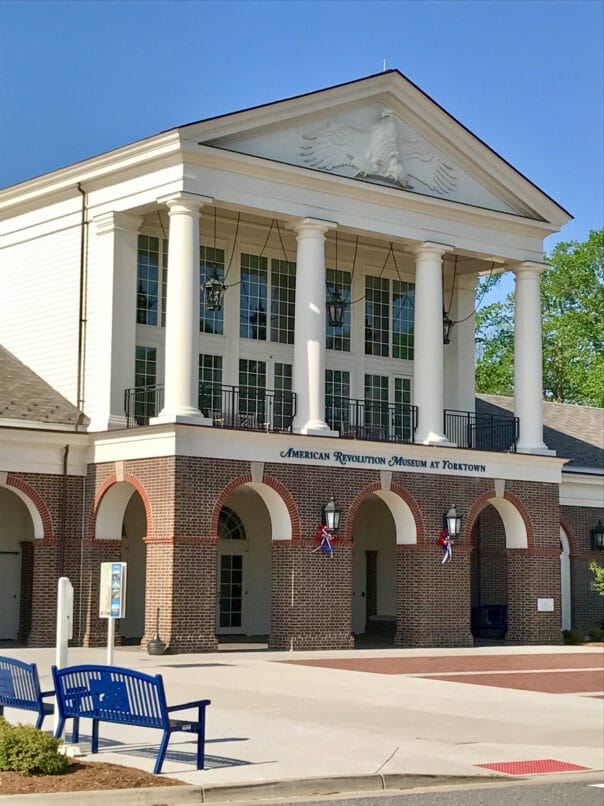
Few places bring the story of American independence to life more vividly than Yorktown.
The battlefield, riverfront village, and museums bring the final chapter of the Revolution vividly to life, while the quiet landscape encourages reflection on the extraordinary events that unfolded here in October 1781.
Although I first visited the former Yorktown Victory Center years ago, the experience today is dramatically different. The American Revolution Museum at Yorktown, which opened in 2017, brings the story of the Revolution to life through immersive exhibits, films, and engaging living- history experiences. It is wonderful for children, as well.

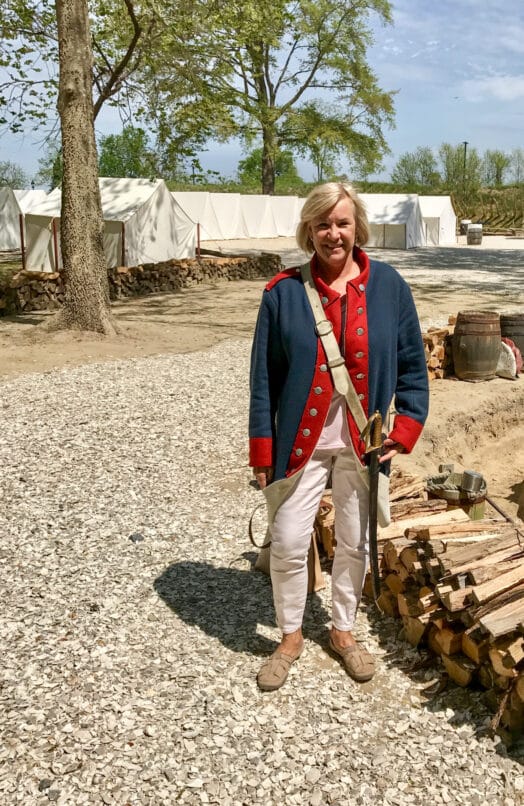
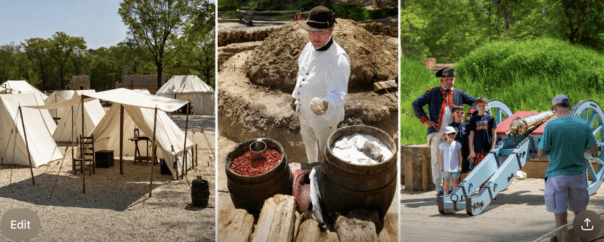
Afterward, continue to the Colonial National Historical Park for the Yorktown Battlefield Visitor Center and follow the self-guided battlefield driving tour. Stop at the siege lines, Surrender Field, the Moore House where the surrender terms were negotiated, and the monuments commemorating the American and French victory. The visitor center and interpretive exhibits provide additional context for one of the most significant military campaigns in American history.
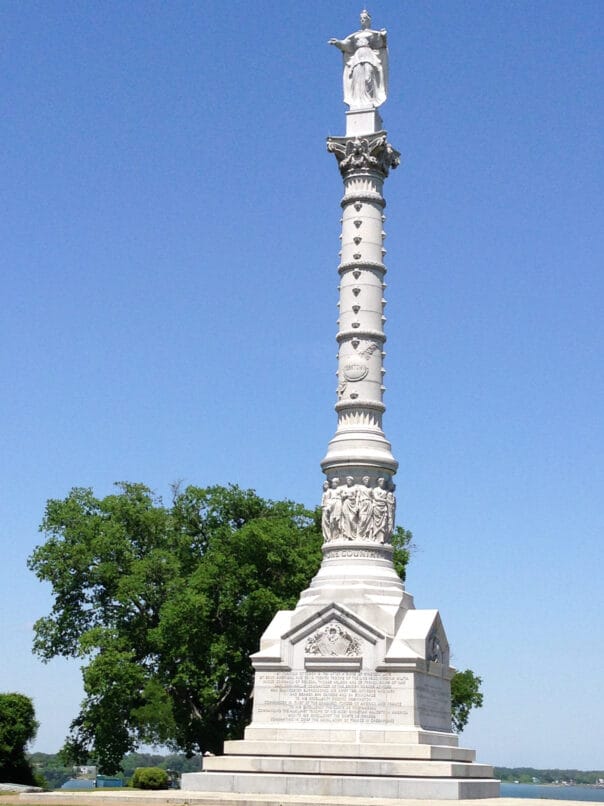
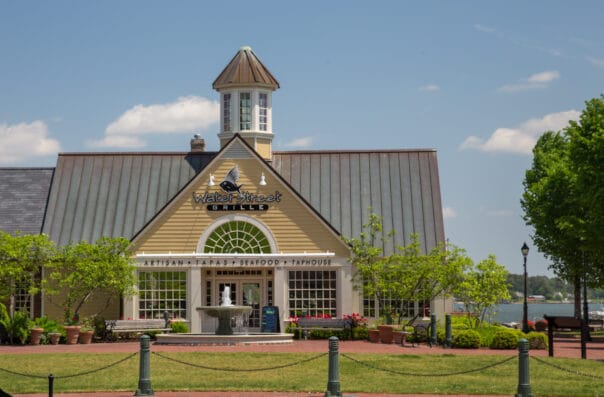
Allow time to stroll Historic Yorktown’s charming waterfront, browse its small museums and shops, and enjoy views of the York River that remind visitors why this peninsula became the setting for a world-changing victory. While you are in this area, known as the Virginia Historic Triangle, be sure to visit Colonial Williamsburg (my favorite) and Jamestown.
Did You Know?
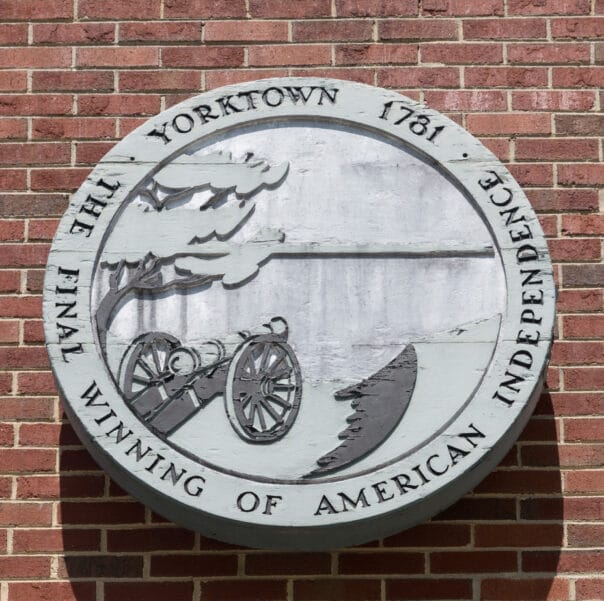
Legend says the British army that surrendered at Yorktown marched out to the tune of “The World Turned Upside Down.” While historians still debate whether that tune was actually played, the phrase has become a lasting symbol of how the Revolutionary War transformed the world.
The stories of the Treaty of Paris and Washington’s resignation will follow soon.