By Debi Lander
Bylandersea.com | Bylandersea America 250
This article is part of my ongoing Bylandersea America 250 series, exploring the Road to Revolution as we approach the nation’s 250th anniversary.
A Southern City of Grace and a Forgotten Battlefield
Savannah is easy to love.
Spanish moss drapes from live oaks like soft gray lace. Sunlight filters through cathedral canopies of green. Brick paths lead past wrought-iron balconies and pastel townhouses that seem untouched by time.
But history is rarely as gentle as the light.
In 1779, these serene squares filled with smoke. Cannon fire echoed between orderly streets. French and American soldiers charged across open ground while British defenses thundered back.
Savannah was not always graceful. It was once a battlefield.
After the stalemate at the Battle of Monmouth (read my previous post here) in 1778, the British shifted their focus south. Convinced that Loyalist support would secure victory, they targeted Georgia first. In December 1778, British forces captured Savannah with stunning speed.
The war had moved to the Deep South.
Within a year, Savannah would become the site of one of the bloodiest and most significant assaults of the Revolutionary War.

The Siege of Savannah, 1779
In October 1779, American forces under General Benjamin Lincoln joined French troops commanded by Admiral d’Estaing to retake the city. This was one of the earliest major Franco-American operations after France formally allied with the United States in 1778.
It was ambitious.
It was bold.
It failed.
Instead of continuing a slow siege, allied leaders chose a direct frontal assault on British defenses at Spring Hill redoubt. In less than an hour, nearly 1,000 allied troops were killed or wounded.
Among the fallen was Casimir Pulaski, the Polish nobleman who helped organize the Continental cavalry. He later died from wounds received in the attack. Today, Savannah honors him with a monument in Monterey Square and another pictured below in Washington, DC.
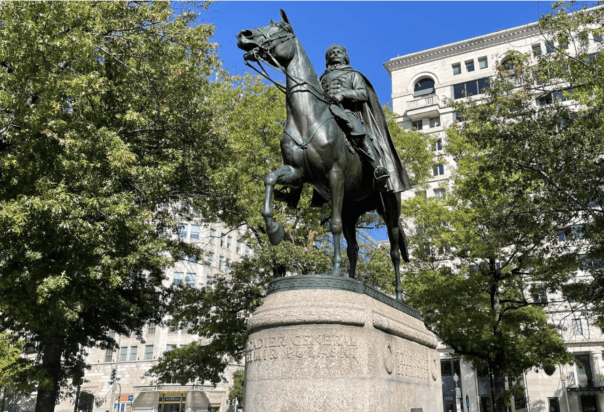
Savannah would remain in British hands until 1782.
But something larger had happened here.
The Revolution was no longer simply a colonial rebellion. It was now international.
French ships and soldiers had crossed the Atlantic. Caribbean bases supported the effort. European rivalries now shaped American battlefields. Savannah marked the widening of the war.
Why Savannah Matters in the America 250 Story
The army that had endured the winter at Valley Forge was now fighting far from its northern strongholds.
Savannah represents three major turning points:
- The beginning of the British Southern Strategy
- One of the first large-scale Franco-American military collaborations
- Proof that early alliance efforts did not guarantee success
The defeat here stung. Charleston would fall the following year in an even greater disaster. British confidence surged.
Yet the Southern campaign that began in Savannah would eventually exhaust British forces and push them toward Yorktown.
Failure did not end the Revolution. It hardened it.
Walking Revolutionary Savannah Today
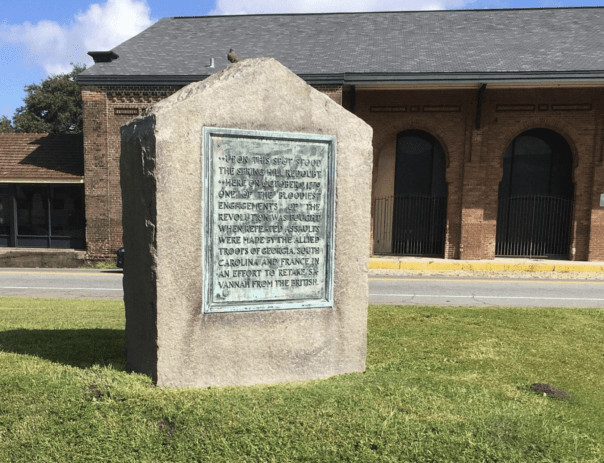
Savannah does not preserve its battlefield in the dramatic way that Saratoga or Yorktown does. The Spring Hill redoubt area is largely absorbed into modern neighborhoods, marked by plaques rather than open fields.
Savannah requires imagination.
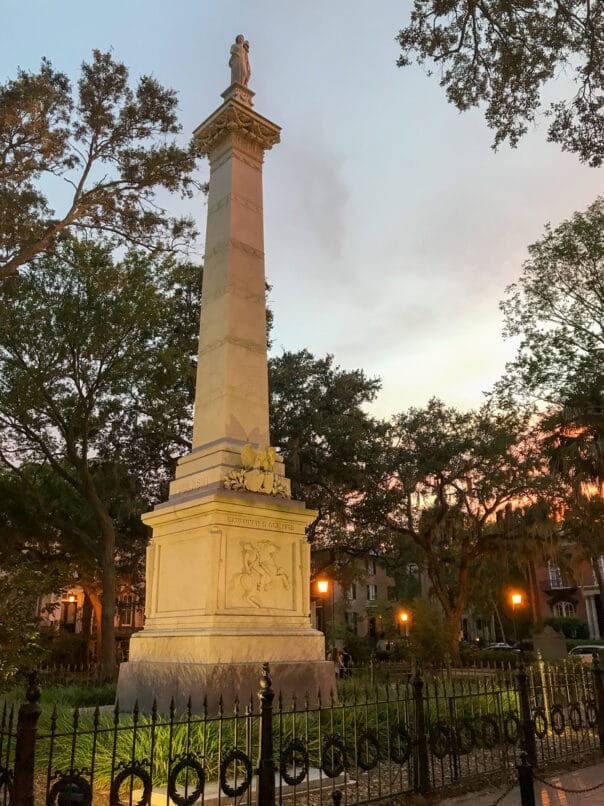
Stand in Monterey Square beneath Pulaski’s monument.
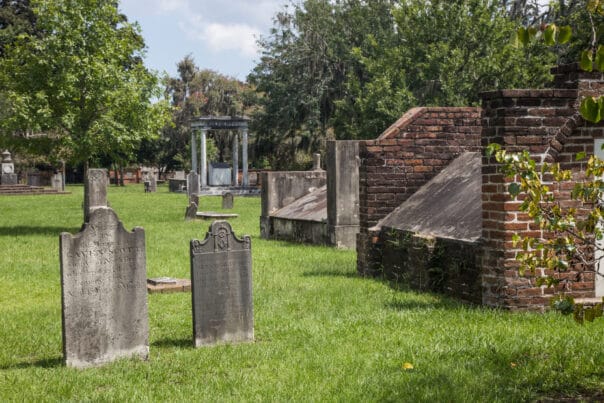
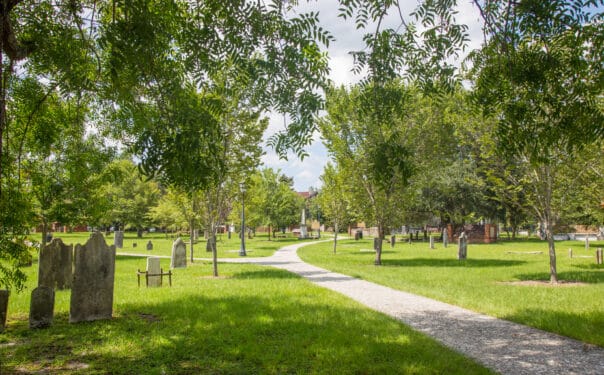
Walk Colonial Park Cemetery where soldiers rest beneath weathered stones.
Trace James Oglethorpe’s original city grid and consider how this orderly plan became a wartime stronghold.
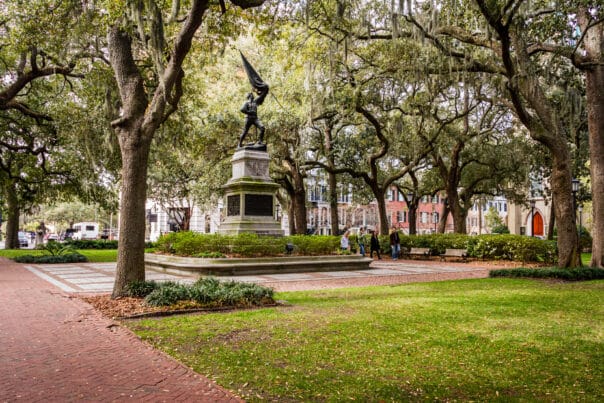
Savannah does not shout its Revolutionary history. It whispers.
What to See in Revolutionary Savannah
Savannah today is a layered city where several eras of American history exist side by side. Walking through the historic district, visitors encounter a blend of colonial foundations, elegant antebellum homes from the Civil War era, Victorian architecture from the late nineteenth century, and carefully preserved buildings that continue to serve modern life. The city’s famous squares, laid out in 1733 by General James Oglethorpe, still organize the streets beneath sweeping live oaks draped with Spanish moss. Around them stand churches, townhouses, monuments, and museums that tell the story of a city shaped by colonial ambition, Revolutionary struggle, Civil War survival, and ongoing renewal.
To understand Savannah fully, it helps to begin with its Revolutionary past. The sites connected to that era reveal how the city and its people played a role in the fight for American independence.
Spring Hill Redoubt Site
Historical markers identify the area where the 1779 assault occurred.
The marker reads, “Upon this spot stood the Spring Hill Redoubt. Here on October 9, 1779 one of the bloodiest engagements of the Revolution was fought when repeated assaults were made by the allied troops of Georgia, South Carolina and France in an effort to retake Savannah from the British.” (Ponder the fact that 1,000 soliders lost their lives there.)
Monterey Square
Home to the Pulaski Monument honoring the fallen cavalry officer.
Colonial Park Cemetery
Established in 1750 and containing graves from the Revolutionary period.
Savannah History Museum
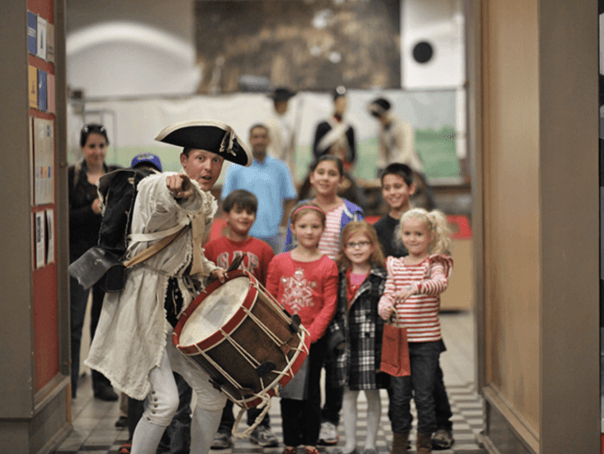
The Savannah History Museum includes excellent exhibits on the Revolutionary era and the Southern Campaign.
Fort Pulaski National Monument
The Fort Pulaski National Monument, maintained by the US National Park Service, is located outside the city on Cockspur Island. Though best known for its Civil War history, it honors Pulaski’s name and offers sweeping coastal views.
Travel Planning Tips
Best time to visit: March through May for blooming azaleas and comfortable temperatures. October is also lovely for photography. Warning: The summer is HOT and humid.
How long to stay: Two to three days allows time for history, architecture, and unhurried wandering.
Savannah layers its stories. Colonial. Revolutionary. Civil War. Gilded Age.
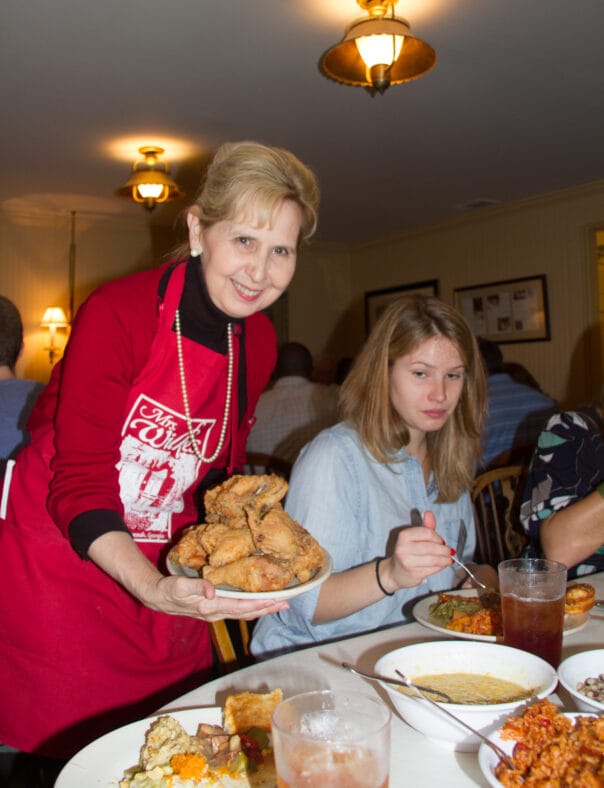
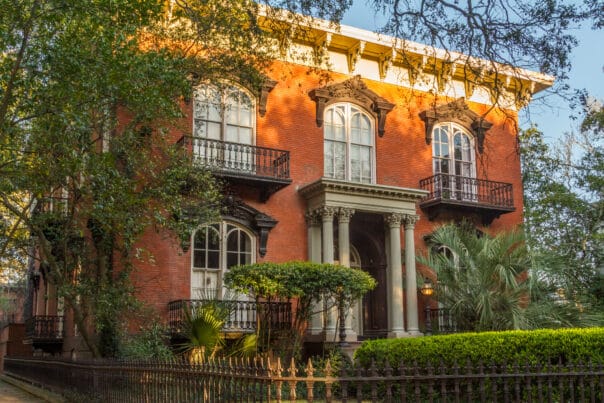
I highly recommend reading Midnight in the Garden of Good and Evil by John Berendt or at least watch the movie with the same title, before visiting Savannah. You will learn about the city’s culture and history through a fabulously interesting story, and it will make Savannah come alive. Be sure to visit the Mercer Williams house, Forsyth Fountain, Bonaventure Cemetery, and dine at Mrs. Wilkes Boarding House.
Do not rush Savannah. Linger in the seductive city.


Next in Bylandersea America 250
The Revolutionary War next moves to Charleston in 1780: America’s Greatest Surrender
Because after Savannah, the war did not improve.
It worsened.