I love when my years of travel suddenly connect like pieces of a puzzle, creating a deeper understanding of a place or moment in history. Such was the case when I was invited to experience Titanic: An Immersive Voyage in Tampa.
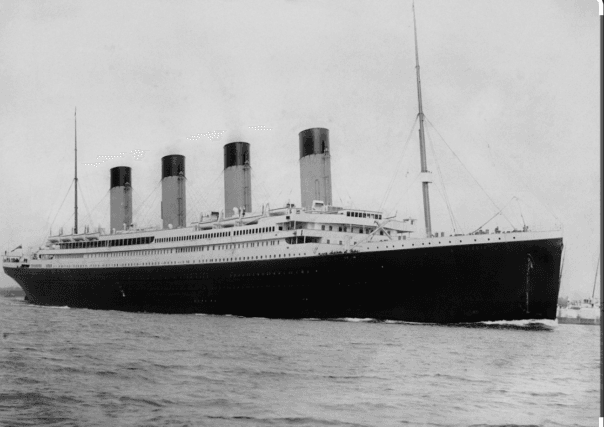
More than a century after RMS Titanic slipped beneath the icy North Atlantic, the ship still exerts a powerful pull on travelers. Over the years, I found myself following Titanic’s story across several countries and experiences, from the shipyards of Northern Ireland to the iceberg-filled waters off Newfoundland.
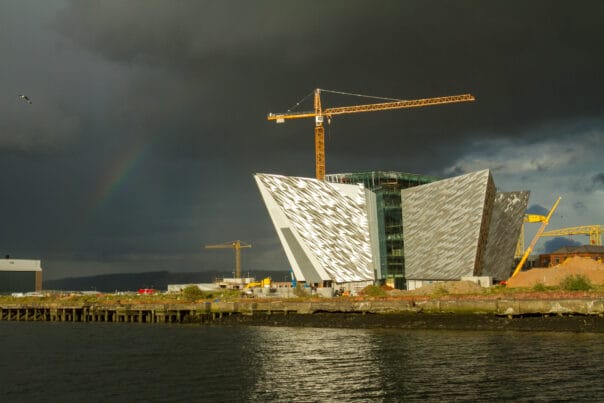
Photo ©Bylandersea
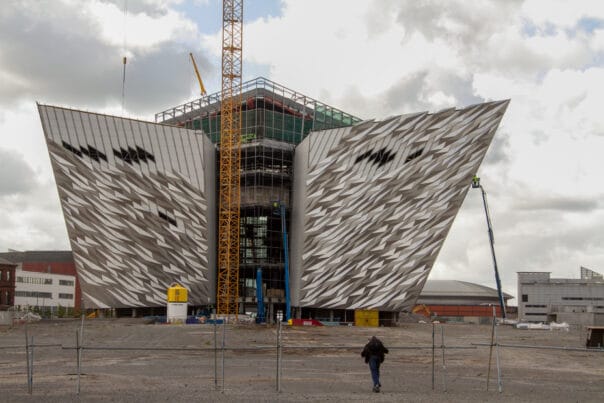
My personal Titanic journey began in Belfast in May 2011 during ceremonies marking the 100th anniversary of Titanic’s launch. At the time, the now-famous Titanic Belfast museum was still under construction. Giant cranes towered above the old Harland & Wolff shipyards where Titanic had once been built. This marked a giant step forward for Belfast, a city emerging from the decades of conflict known as the Troubles. The striking new museum symbolized a fresh chapter, transforming a painful past into a story of renewal, and pride in Belfast’s remarkable maritime heritage.
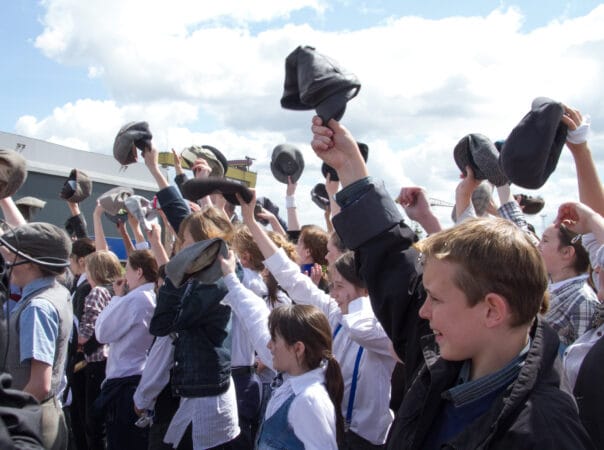
I attended the ceremony and watched as crowds gathered along the waterfront and ships sounded their horns at precisely 12:13 p.m., the same moment Titanic entered the water in 1911. Schoolchildren invited to the event came dressed as dock workers. They waved and shouted as the imaginary vessel began its historic voyage.

During that visit, I also attended an elegant nine -course dinner recreating a first-class meal once served aboard Titanic. Crystal stemware, fine china, and richly presented dishes offered a glimpse into the luxury experienced by the ship’s wealthiest passengers only days before tragedy struck in the North Atlantic. (Read my previous story about the meal here: https://bylandersea.com/2011/06/titanics-nine-course-first-class-dinner/)

There was pride in Belfast that day, but also reflection. The city was reclaiming its connection to Titanic, not simply through tragedy, but through craftsmanship, engineering, and history. I wandered the docks with my camera, realizing I was standing where one of the world’s most famous journeys began.
Years later, I encountered another chapter of the story in Halifax, Canada. Halifax served as a recovery center after the Titanic’s sinking because it was the closest major port. The city still carries deep emotional ties to the disaster. At Fairview Lawn Cemetery, rows of simple grave markers quietly tell the story of unidentified victims recovered from the sea. Inside the wharfside Maritime Museum of the Atlantic, artifacts from Titanic make the tragedy painfully personal. Shoes, dishes, and fragments recovered from the wreck remind visitors that this was not merely a famous ship, but a human catastrophe.
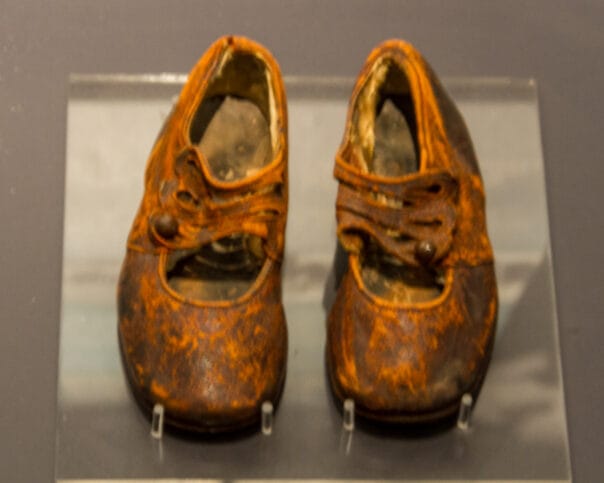
Of all the Titanic artifacts I encountered over the years, none affected me more deeply than a tiny pair of brown leather shoes displayed in Halifax. Once belonging to the child long known only as “The Unknown Child,” the worn shoes became a heartbreaking symbol of the innocent lives lost aboard. Years later, DNA testing finally gave the little boy back his name: Sidney Leslie Goodwin, just 19 months old.

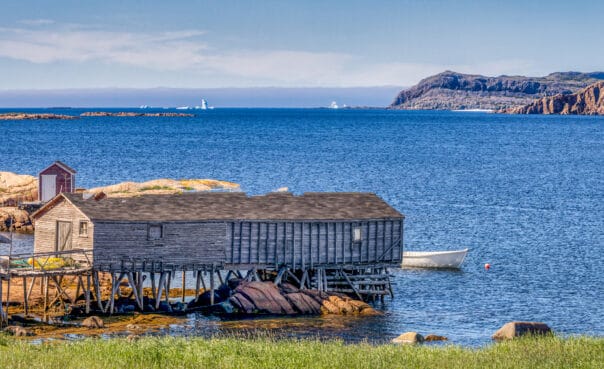
In mid-July, 2023, I stood along Iceberg Alley in Newfoundland photographing towering icebergs drifting through the cold Atlantic waters. Seeing those immense floating mountains gave me a chilling new perspective. Suddenly the disaster no longer felt distant or abstract. The ocean seemed vast, unforgiving, and hauntingly beautiful.
Most recently, I visited the immersive Titanic exhibition in Tampa. Modern technology added another emotional layer to the experience. Through a virtual reality presentation, I descended nearly 13,000 feet to the ocean floor where the remains of Titanic still rest in darkness. Watching the wreck emerge from the black water was unexpectedly moving. Rusted railings, collapsed decks, and scattered artifacts appeared ghostlike in the deep sea silence.
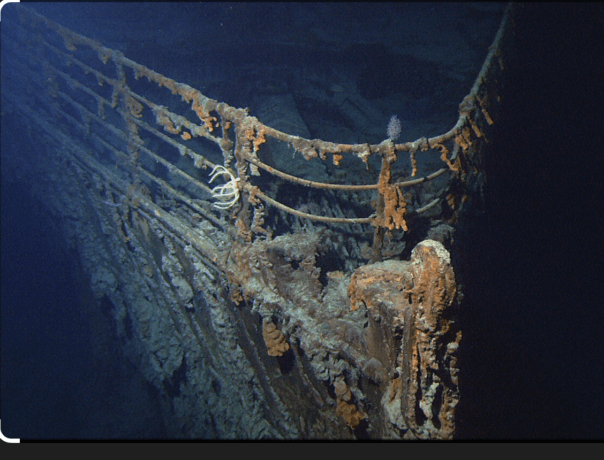
Of all the Titanic experiences I’ve encountered, that virtual descent was the most surprising. It transformed the story from history into something startlingly real. The ship is still down there, slowly disappearing into the Atlantic depths.
I also recall visiting the Titanic Museum in Branson, Missouri many years ago. There, I stood on the replica of the grand staircase and dipped my hand into the exhibits’s chilly 28 degree water. In Tampa, I stood for a photo on the staircase, but most of it was simulated.
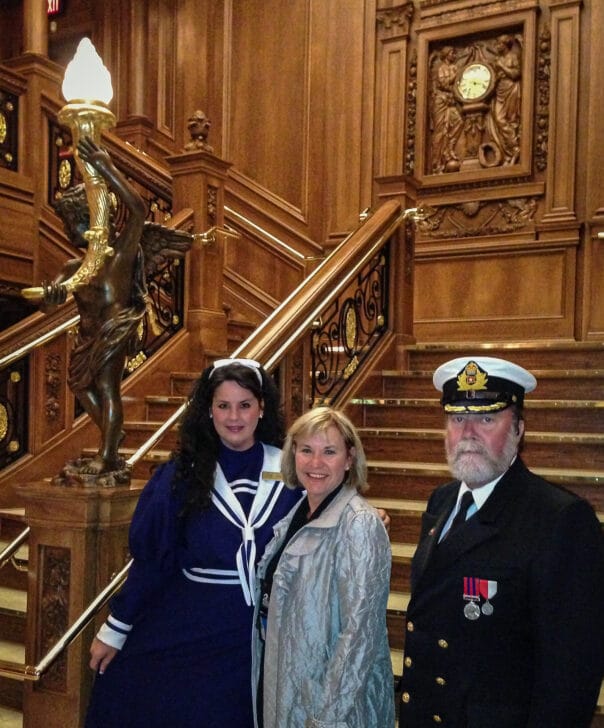
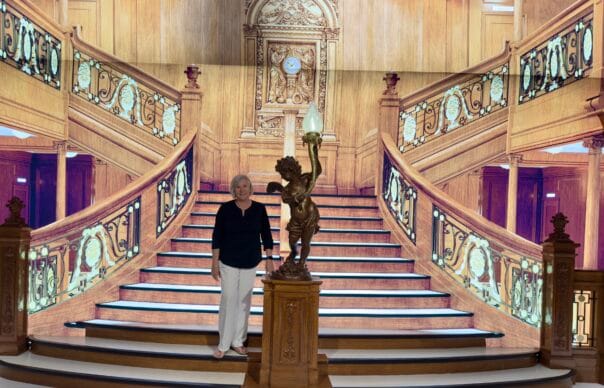
Each place tells a different part of the story. Belfast speaks of ambition and industry. Halifax mourns the human loss. Newfoundland reveals the danger of the North Atlantic itself. And immersive exhibits remind us how technology can connect modern audiences with the past in powerful new ways.
Now, more than 114 years later, the “unsinkable” ship still captures our imagination because it combines human achievement, courage, and tragedy in one unforgettable story. Following its legacy across continents has given me a deeper appreciation not only for the ship, but for the people forever connected to it.
And somewhere in the darkness beneath the North Atlantic, the great ship still rests silently on the ocean floor.
Information about the Tampa Exhibition: Titanic An Immersive Voyage
Thanks to Nancy Restuccia for taking me to the amazing experience.


